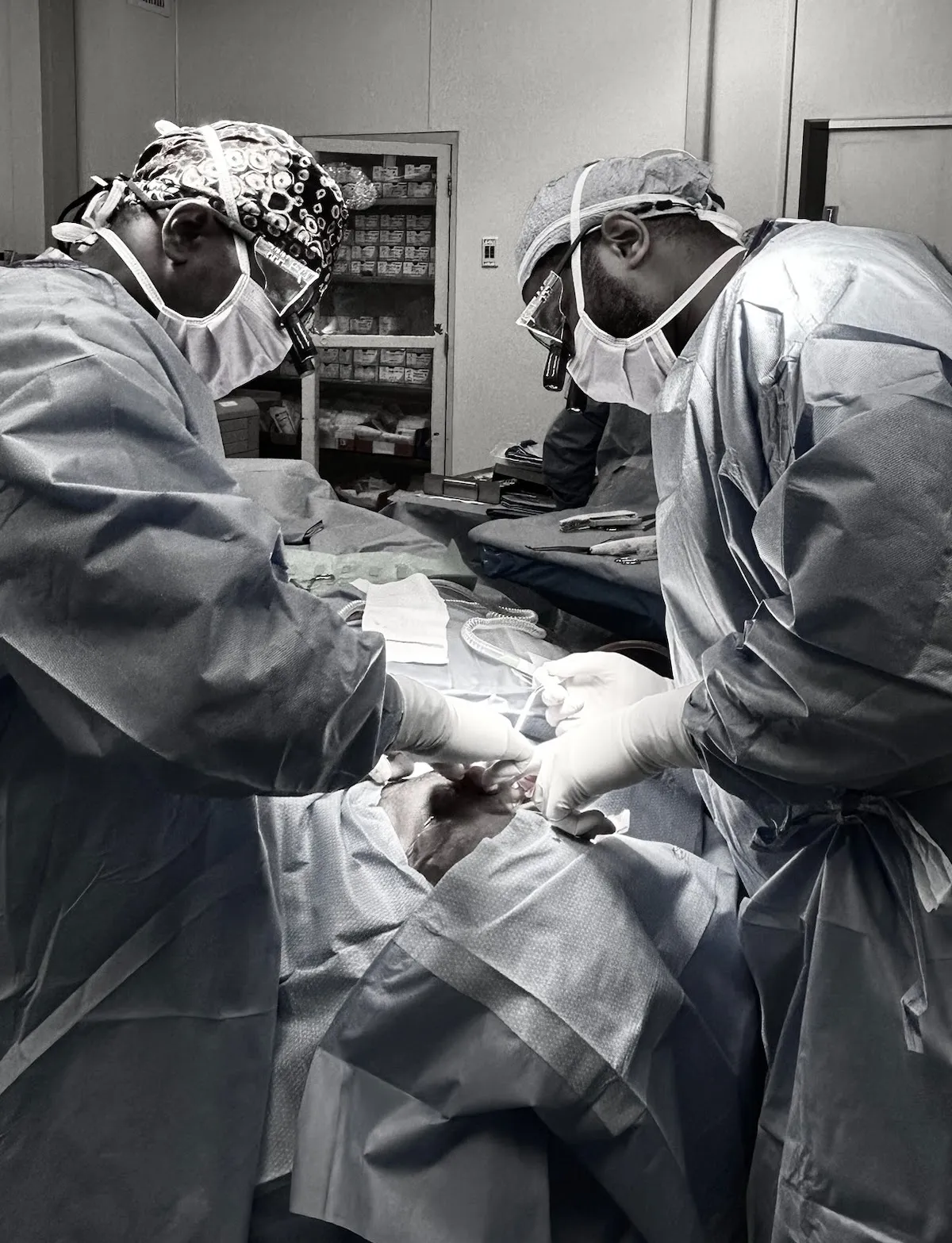
Local Teams.
Lasting Impact.
Surgical outreach rooted in skills development, mentorship, international collaboration, patient advocacy, and economic empowerment for local providers.
The Problem
The dilemma with short-term surgical missions
The source question is not whether missions are good or bad. It is how to keep lifesaving care available while changing the model so local teams gain more resources, leadership, and continuity.
STSMs are imperfect but still lifesaving
Short-term surgical missions have real flaws, but they also fill critical gaps. Removing them without viable alternatives would harm patients who need care now.
Improvement is easier to name than to build
Global health debates offer many opinions about how missions should change, but fewer practical models that are feasible, scalable, and rooted in local systems.
Foreign-led care cannot be the center
If foreign teams remain the primary engine of care, communities can be left without continuity, follow-up, or stronger local surgical capacity when visiting teams leave.
Our Approach
Why local teams change the mission model
The goal is not to end collaboration. It is to rebalance it.
Upasuaji's approach keeps room for foreign institutions while shifting the center of gravity toward East African teams who can provide culturally fluent care, communication, follow-up, and referrals.
Reduced Costs
Utilizing local professionals significantly reduces travel and logistical expenses, allowing more resources to flow directly into patient care and training.
Cultural Understanding
Local teams possess inherent knowledge of the communities they serve — their values, traditions, and social contexts — leading to more effective and trusted care.
Improved Communication
Local teams eliminate language barriers entirely, enhancing patient interaction, informed consent, and the quality of pre- and post-operative care.
Continuity of Care
Local presence enables proper follow-up, wound care, complication management, and referrals for complex cases — outcomes that foreign missions simply cannot provide.
Reader Takeaway
A mission should leave capacity behind
This keeps the page's message welcoming and realistic: international support can still matter, but the strongest missions are measured by what local teams can keep doing after the visit ends.
- 1Prioritize East African surgical professionals as the core care team.
- 2Use international partnerships for exchange, resources, and opportunity rather than replacement.
- 3Design missions around skills transfer, continuity, and referrals after the operating room.
- 4Keep patient communication and community trust central to surgical care.
Equitable access to heart surgery isn't just a goal—it's our mission.
Dr. Muhoozi Rwakaryebe
”