Partner with East African professionals
Work alongside local surgeons, students, and healthcare teams in both rural and urban centers.
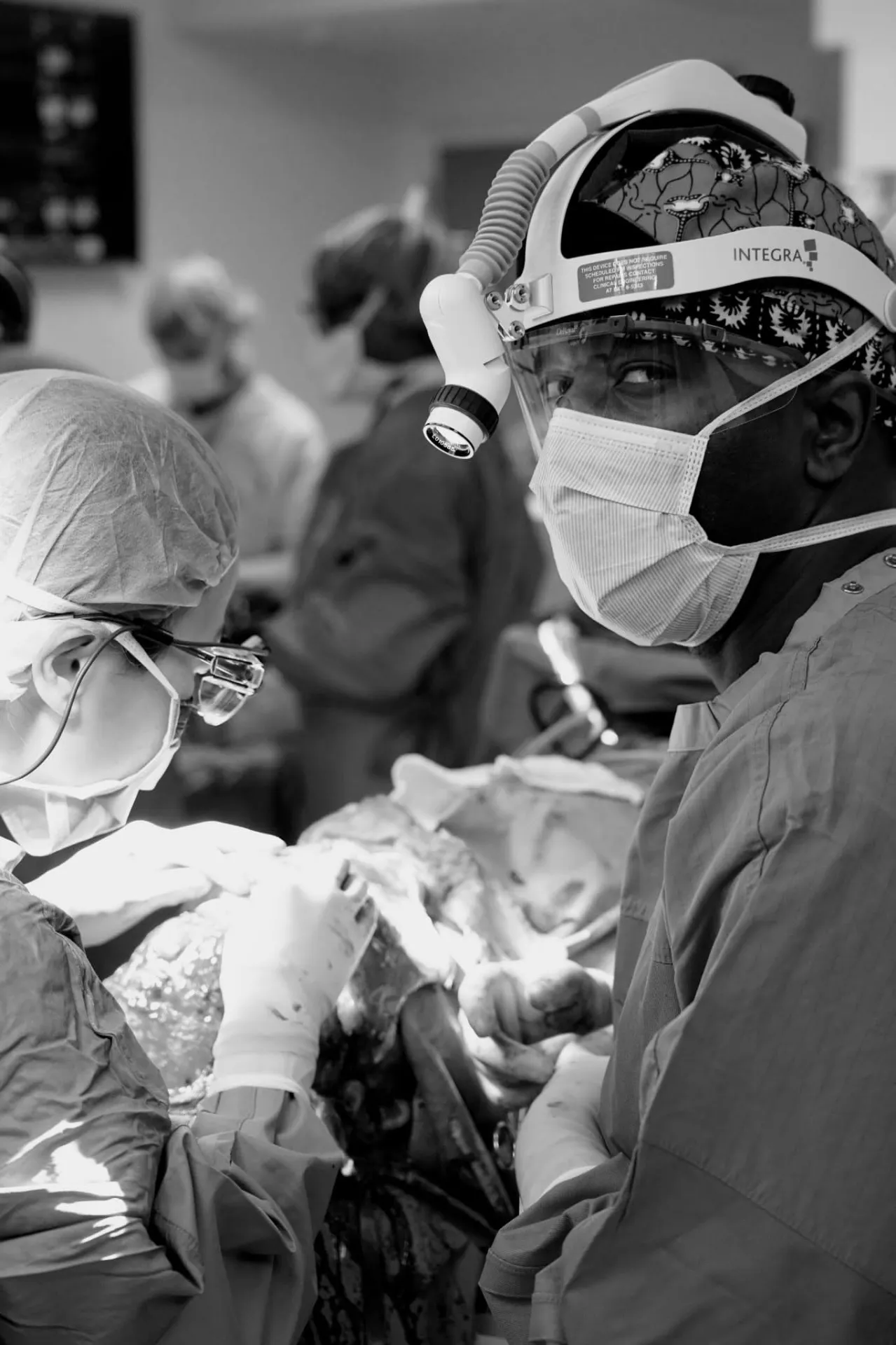
A healthcare-centered approach to global surgery that builds communities around health centers, linking access to care with jobs, infrastructure, and education.
The Problem
80% of people in East Africa live in rural areas, while the majority of surgical specialists and advanced care are concentrated in urban centers.
Countries in the region fall far behind WHO standards for recommended number of surgical workforce levels. This means it is difficult, or even impossible, for the majority of patients to obtain care; the treatment available in rural areas is limited and often substandard.
Short-term missions or top-down projects can miss local needs, cultural context, and long-term capacity building. Without continuity, support can create dependency instead of sustainable care.
Why global surgery needs a longer view
Global surgery gained major momentum after the 2015 Lancet Commission report, which framed surgery as an essential component of healthcare. The field works to expand access to safe, affordable, high-quality surgical care, especially in low- and middle-income countries. Despite effort, resources, and good intentions, a significant portion of the global population still lacks access to basic surgical care, resulting in preventable deaths and disabilities.
Our Approach
HCCD is inspired by the way communities have historically formed around trusted central institutions. Upasuaji applies that idea to healthcare: strengthen the health center, and it can become a foundation for care, education, work, and resilience.
Sustainable surgical access depends on local providers having the tools, training, and systems to lead.
Bring essential surgical services closer to the communities where patients live.
Support healthcare work as a source of local opportunity and economic stability.
Invest in the equipment, facilities, and systems that make care reliable.
Build surgical skills, mentorship, and learning pathways for local providers.
What Upasuaji Is Doing
Work alongside local surgeons, students, and healthcare teams in both rural and urban centers.
Import needed technology and surgical equipment so local teams can better serve their patients.
Connect international surgical teams with local providers in ways that strengthen service delivery and skills transfer.
Support patients with severe surgical needs who have been unable to access treatment or require extensive care.